+86-15093398255
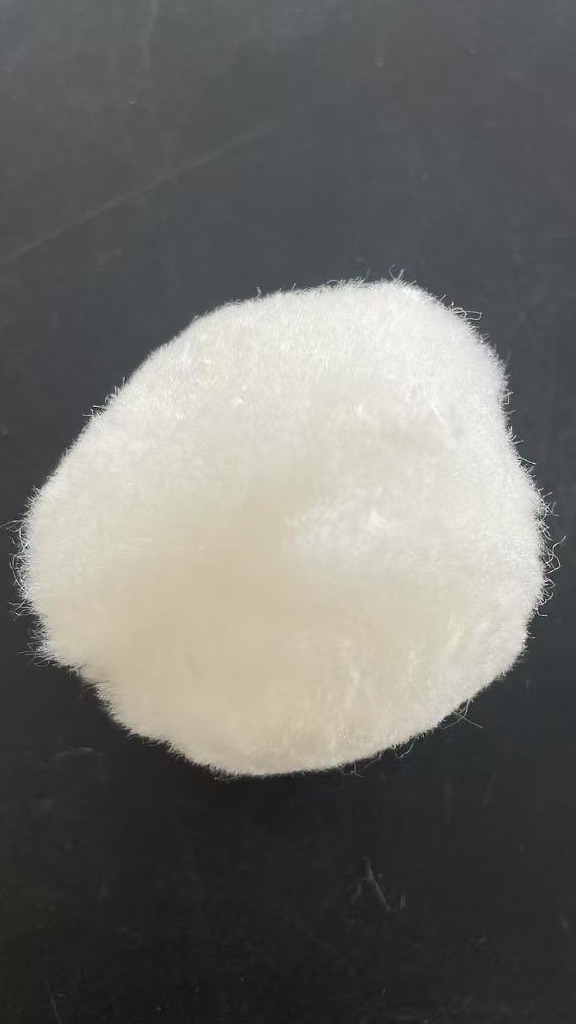
Raw Materials
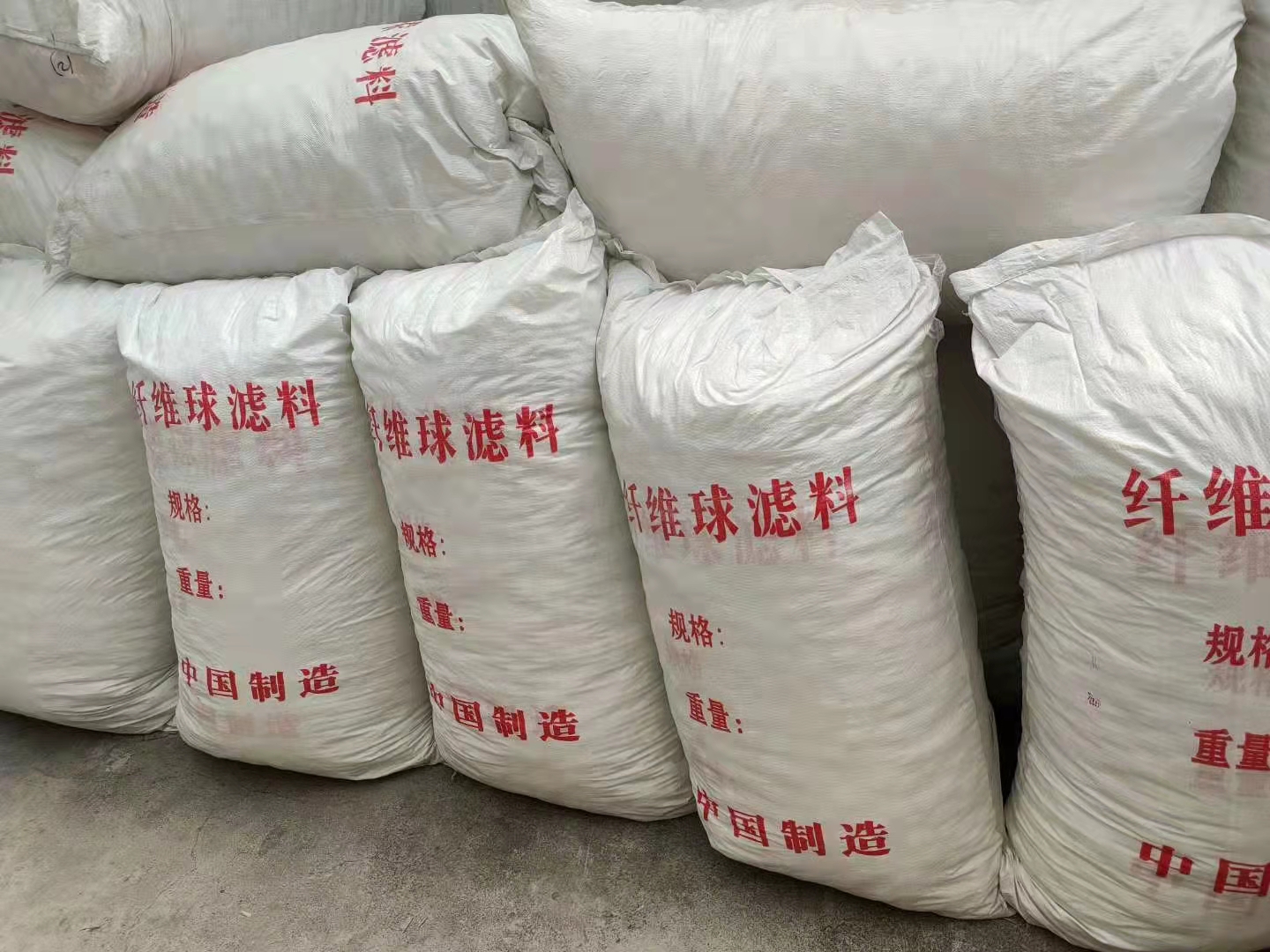
The raw materials for fiber balls are mainly synthetic fibers, specifically including:
Polyester (PET) Polypropylene (PP) Acrylic (PAN)
The production of standard fiber balls mainly involves two core stages:
Preparation of modified fiber bundles: In this stage, raw materials are processed into fiber bundles with specific properties (such as hydrophilicity and oleophobicity) through physical and chemical methods.
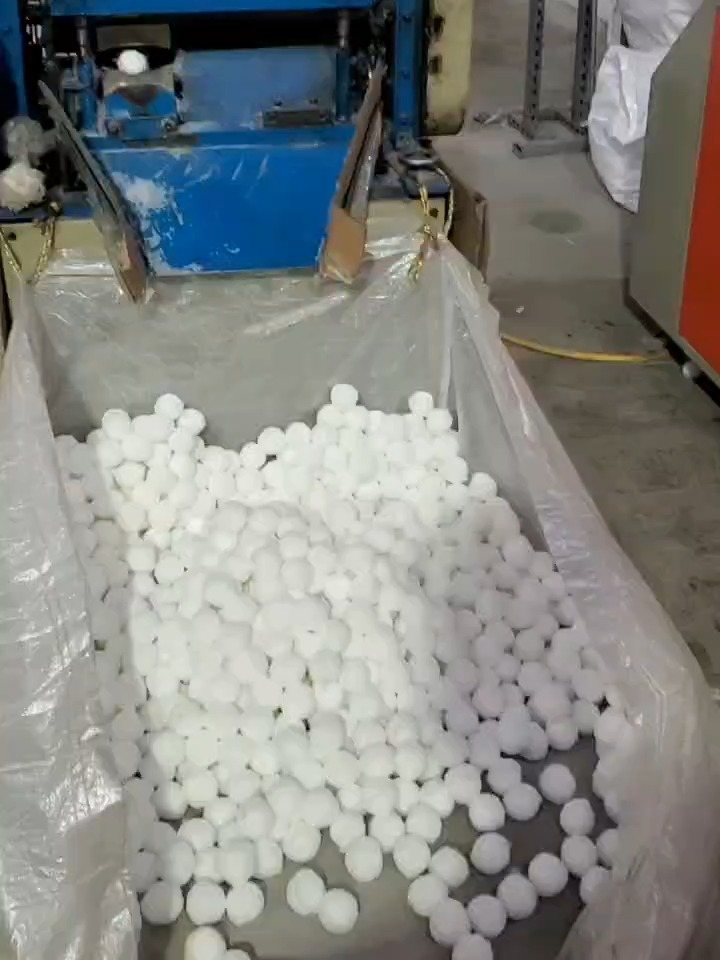
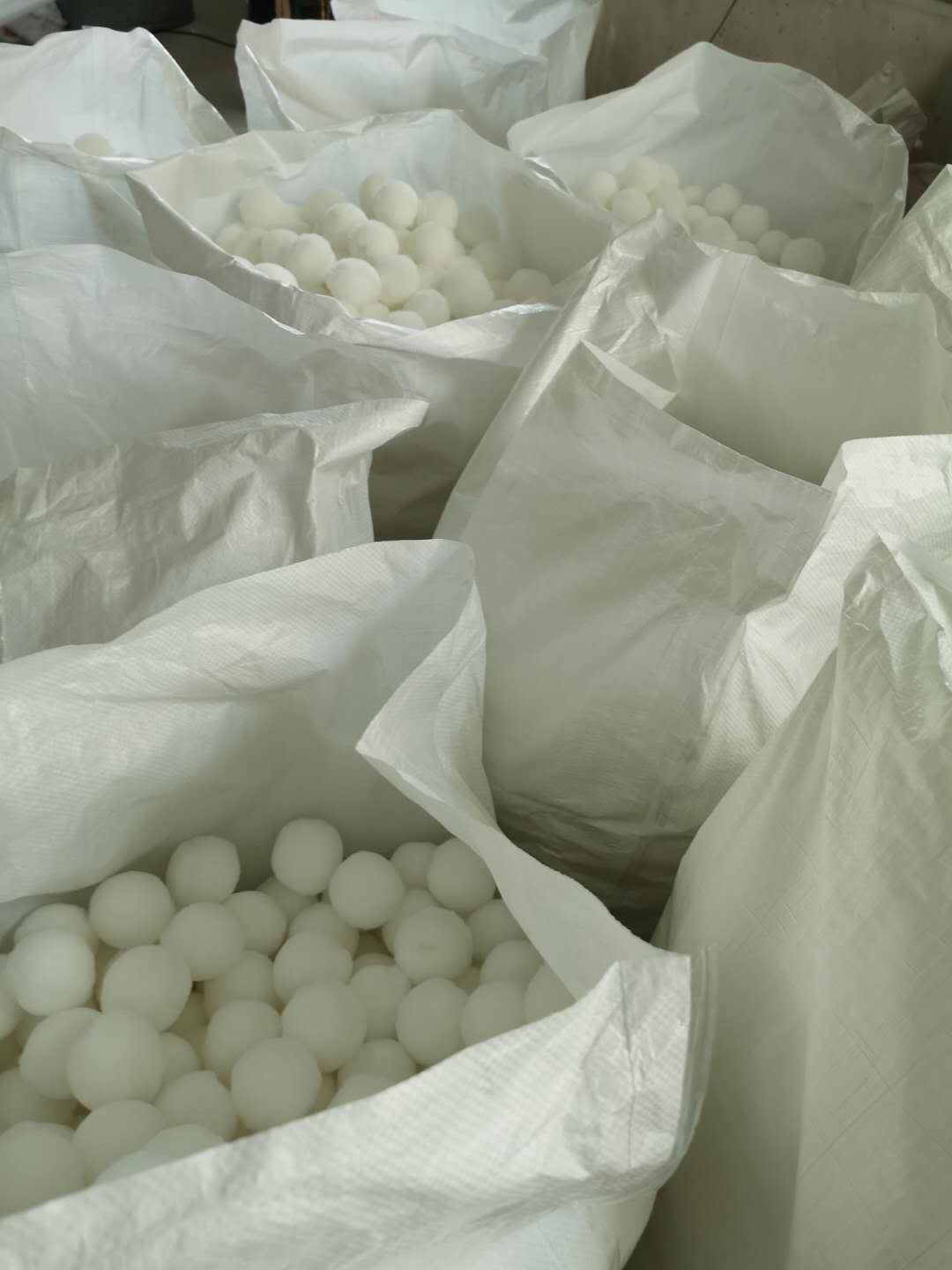
Forming and processing of fiber balls: The prepared fiber bundles are tied into balls and then post-processed.
Specific production process: Preheating → Steam drawing → Washing → Drying → Heat setting → Crimping → Fiber separation → Tying → Cutting → Packaging
Specifications
Ball Diameter (mm): 15-25, 25-30, 30, 35, 40, 50, 60, etc.
Density (g/cm³): 1.38
Coverage Density (kg/m³): 60-80
Porosity (%): 96
Specific Surface Area (m²/m³): 3000
Dirty Loading Capacity (Dirty Capacity Retention) (kg/m³): 6-10
Filtration Rate (m/h): 20-85
Strength (cN/dtex): 22.1 - 48.5
Resilience (%): 65 (at 20% elongation)
Monofilament Breaking Elongation (%): 15 - 40
Melting Point (°C): 255 - 260
Ignition Point (°C): 556
Moisture Absorption (%): 0.4 - 0.5 (20°C, RH 65%)
Main Application Scenarios
High-Difficulty Industrial Wastewater Treatment: This is the most widespread application area for fiber balls, especially in industries such as oil fields, petrochemicals, steel, printing and dyeing, and shipbuilding. They are used to treat high-concentration oily wastewater and industrial circulating water, achieving water quality that meets reinjection or discharge standards.
High-Standard Purified Water Treatment: In scenarios requiring higher water quality, fiber balls are often used as pretreatment for reverse osmosis (RO). They effectively intercept colloids and fine particles, protecting expensive RO membranes and extending their lifespan. They are also commonly used in boiler feedwater, high-purity water for electronic applications, and advanced drinking water treatment.
Municipal and Public Facility Water Treatment: Fiber balls also play a role in daily life. For example, they are used in the advanced treatment and upgrading of municipal wastewater treatment plants, as well as in the purification of swimming pool circulating water. They efficiently filter out fine pollutants such as hair and skin flakes, ensuring clear water quality.
Key Usage Methods and Precautions
In actual operation, there are three key steps to pay attention to:
1. Proper Loading (How to Load)
The fiber balls appear loose when dry, but they naturally expand when exposed to water, which is crucial for forming an ideal filtration structure.
Pre-set Loading Height: The designed loading height is typically 1.2 meters. After water is supplied, the filter layer will naturally drop by about 0.3 meters, stabilizing at a working height of approximately 0.9 meters.
Loading Operation: When loading, ensure the fiber balls are evenly distributed within the filter bed. For more detailed instructions, refer to professional installation video tutorials.
2. Core Principle (How it Works)
Loose Top, Dense Bottom Filter Layer Structure: Relying on the pressure of the water flow and the weight of the fibers themselves, the filter layer naturally forms. The upper layer of fiber balls is relatively loose, acting like a large net to trap large particles of impurities; the lower layer of fiber balls is compressed and is responsible for filtering out finer impurities. This structure makes it more efficient than traditional rigid filter media such as quartz sand, increasing the amount of dirt removed by more than 2 times under the same conditions.
3. Maintenance and Backwashing (How to Clean)
When the pressure difference between the filter inlet and outlet increases to a set value (e.g., 0.05-0.1 MPa, depending on the system), it indicates that the filter media needs cleaning. Common cleaning methods include:
Air-Water Combined Backwashing: Air and clean water are introduced from the bottom. The strong agitation causes the oil-coated fiber balls to rub against each other, achieving self-cleaning. This method is highly efficient and consumes only 1-2% of the filtered water volume.
Mechanical Agitation Assistance: Some filters are equipped with an agitator that activates during backwashing to help clean the fiber balls more thoroughly.
Service Life: High-quality fiber balls can last for more than 10 years under normal maintenance, while modified fiber balls typically only require replenishment of about 10% of their wear and tear annually. In comparison, conventional fiber balls have a service life of about one month, while modified fiber balls, through chemical modification, can extend their lifespan to two years.
Replacement Criteria: Replacement should only be considered when backwashing frequency increases significantly, filtration efficiency remains substandard, or the filter media shows severe pulverization or damage.