+86-15093398255
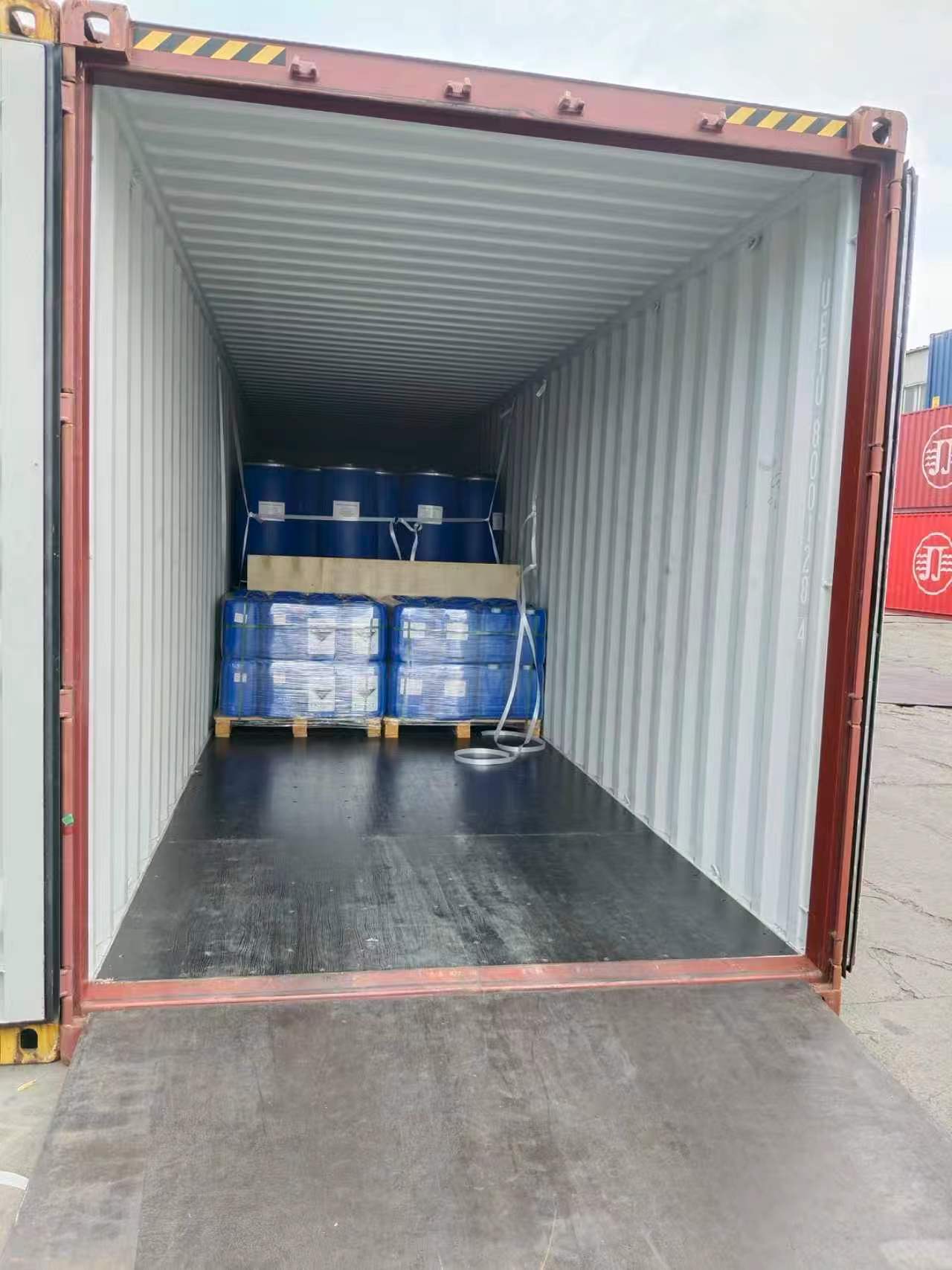
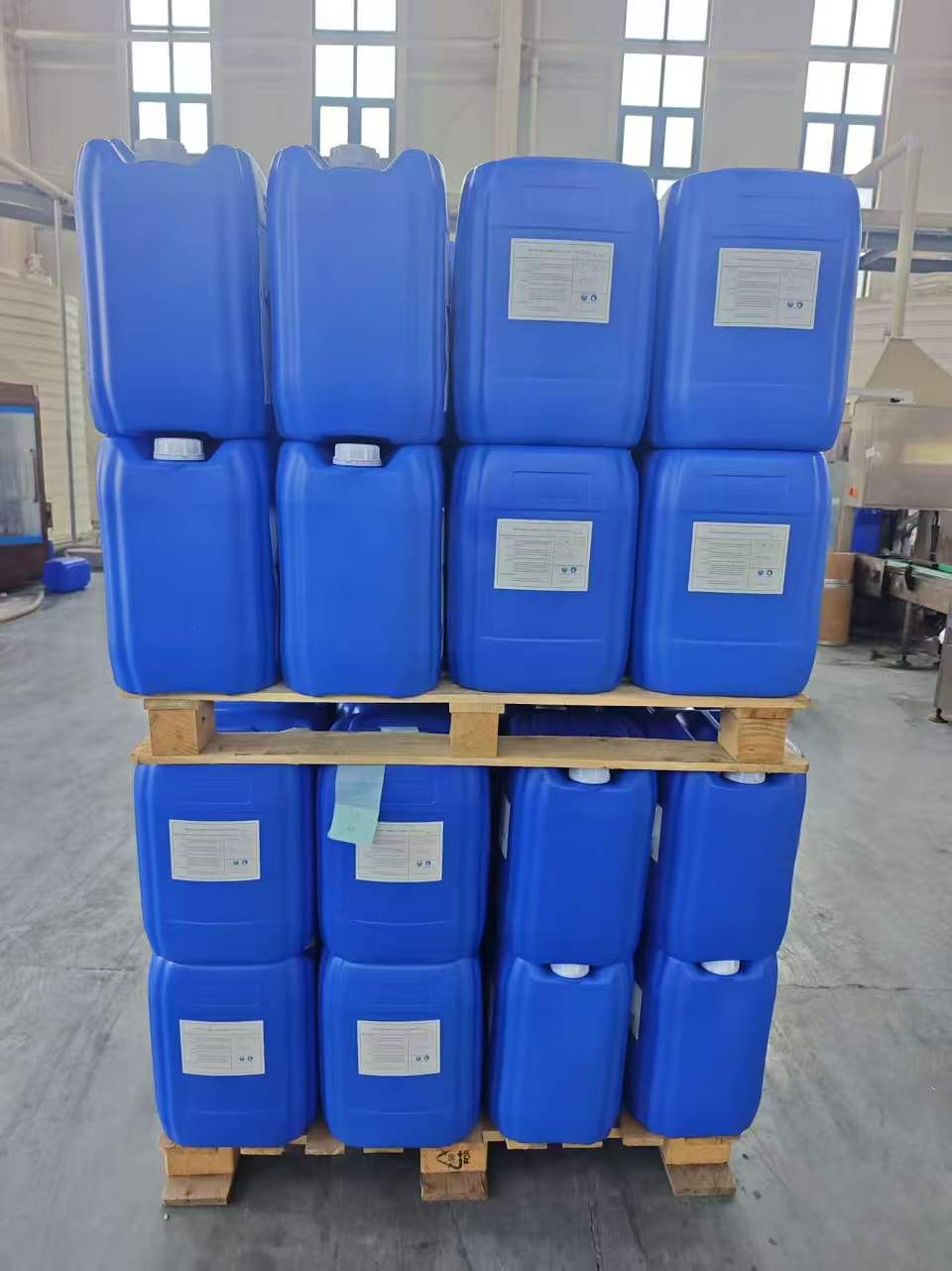
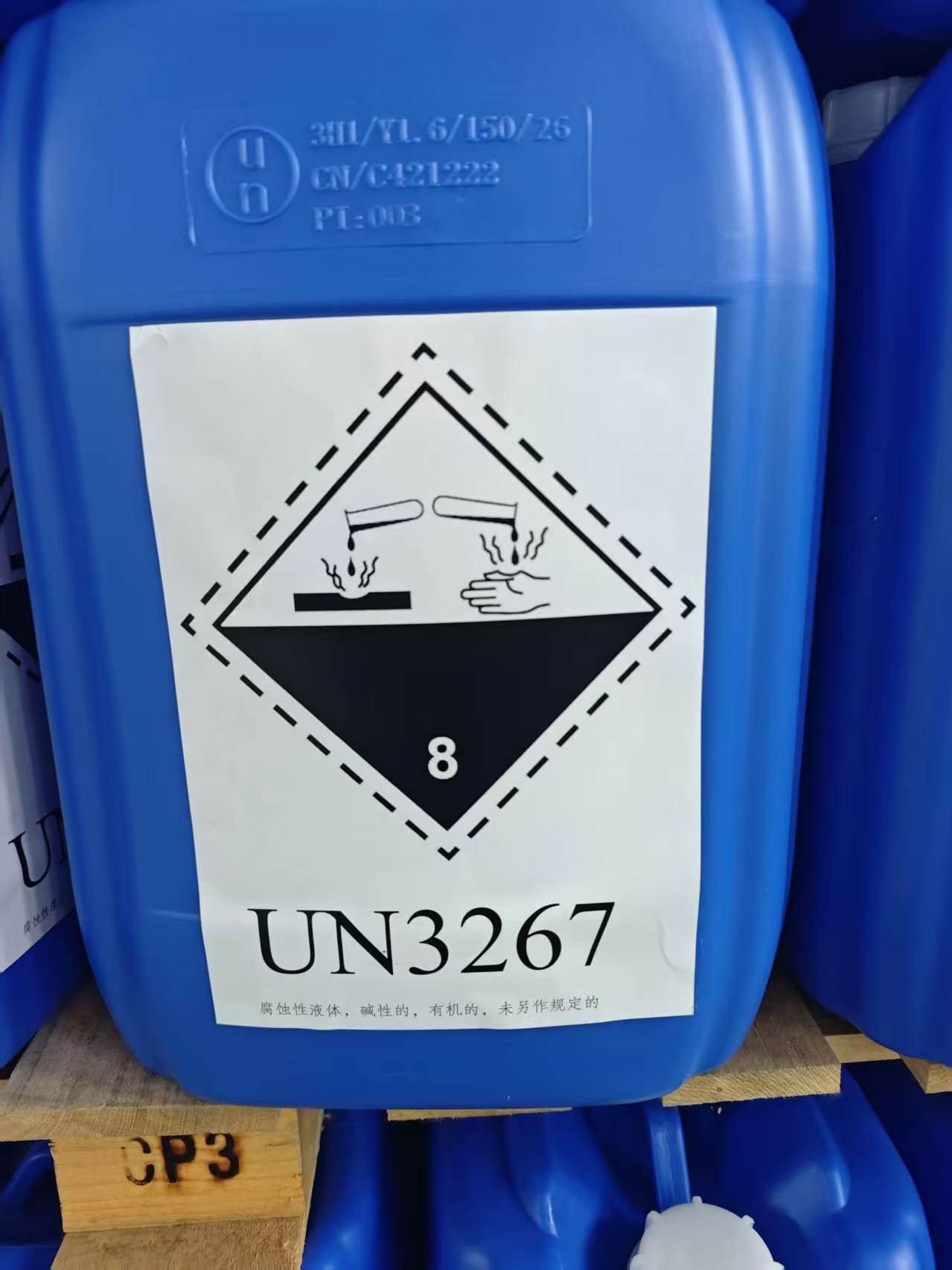
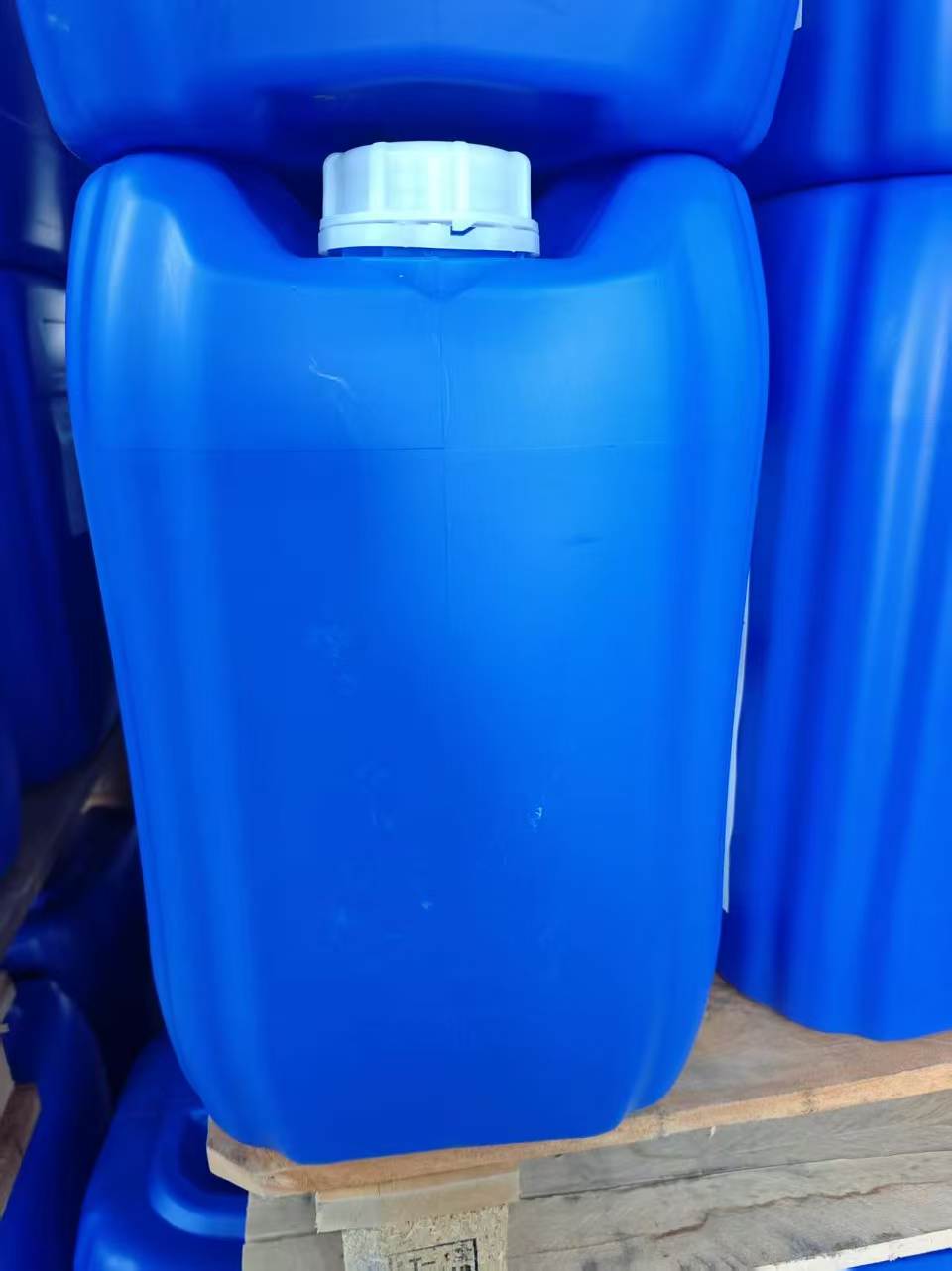
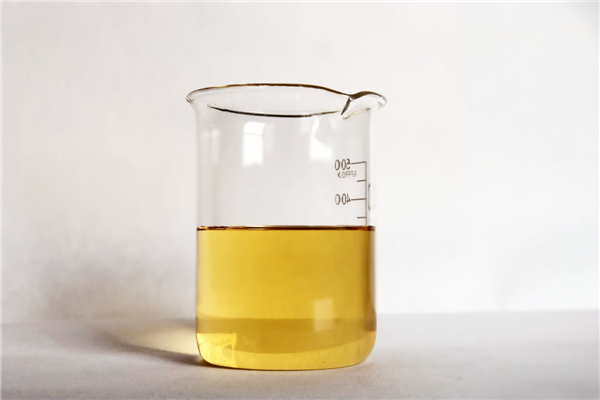
Detailed Classification and Parameter Guide for Scale Inhibitors:
Main Classifications
Organophosphorus Series
ATMP (Aminotrimethylenephosphonic acid): Not easily hydrolyzed, good chemical stability, and has corrosion inhibition properties at high concentrations. Inhibits calcium carbonate scale, and also acts as a metal ion chelating agent and surface treatment agent. Used in circulating cooling water systems of thermal power plants and oil refineries, and oilfield reinjection water.
HEDP (Hydroxyethylidene diphosphonic acid): High temperature resistance (still effective at 250℃), high pH value, and good resistance to chlorine oxidation. A general-purpose scale and corrosion inhibitor used in circulating water, boilers, and oilfield injection water. Used in circulating cooling water systems in power, chemical, metallurgical, and fertilizer industries, as well as low-pressure boilers and oil pipelines.
EDTMPS (Ethylenediaminetetramethylenephosphonate sodium): High corrosion inhibition rate (3-5 times higher than inorganic polyphosphates), especially effective against calcium sulfate and barium sulfate scale. Scale inhibition for calcium sulfate and barium sulfate scale. Used in industrial circulating water systems requiring treatment of special sulfate scale.
Polycarboxylic Acid Reagents
PAAS (Sodium Polyacrylate): Non-toxic, readily soluble in water, inhibits scale formation through dispersion. Disperses microcrystals of calcium carbonate, calcium sulfate, and silt. Ideal for alkaline circulating water systems with medium to high concentration ratios.
AA/AMPS Copolymer (Acrylic Acid/2-Acrylamide-2-Methylpropanesulfonic Acid Copolymer): Contains strongly polar sulfonic acid groups, exhibiting high calcium tolerance. Demonstrates significant scale inhibition against calcium phosphate, calcium carbonate, and zinc scale. Ideal for high-concentration operation in harsh water conditions with high pH, high alkalinity, and high hardness.
Environmentally Friendly
PESA (Polyepoxysuccinic Acid): Phosphorus-free, nitrogen-free, and highly biodegradable. Solid content ≥37% or ≥90%, 1% aqueous solution pH 9.0-12.0. Excellent scale inhibition effect on calcium carbonate, calcium sulfate, barium sulfate, and silica scale. Suitable for high-alkalinity, high-hardness, and high-pH cooling water systems, oilfield water injection, boiler water treatment, and seawater desalination.
PASP (Polyaspartic Acid): Phosphorus-free, non-toxic, and completely biodegradable. 100% scale inhibition rate for calcium carbonate. Combines corrosion and scale inhibition functions. Suitable for water treatment systems with extremely high environmental protection requirements.
Compound Products
Power Plant Corrosion and Scale Inhibitor: Contains multi-component organophosphonic acids, copolymers, and copper corrosion inhibitors. Solid content ≥30.0%, organophosphorus content ≥17%. Designed for power plant water quality, it combines excellent calcium carbonate scale inhibition and copper corrosion inhibition capabilities. Suitable for circulating cooling water systems in power plants and oil refineries, especially copper-containing equipment systems.
Heating System Corrosion and Scale Inhibitor:Composed of organophosphonates, phosphonic acids, sulfonate copolymers, etc. Organophosphonates (as PO₄³⁻) ≥6.8%. Offers multiple functions including scale removal, rust removal, membrane formation, and shutdown protection, with significant energy-saving effects. Suitable for closed systems using groundwater or river water as a supplementary water source in heating circulating water systems.
Reverse Osmosis Membrane Antiscalant: A specially formulated product developed for reverse osmosis systems. MPS series density approximately 1.10-1.22 g/cm³, pH value (1% aqueous solution) between 1.5-2.5. It efficiently controls calcium carbonate, calcium sulfate, barium sulfate, and silica scale, and also disperses iron and aluminum oxides, effectively improving system recovery rates. Various reverse osmosis (RO) and nanofiltration (NF) membrane systems are widely used in power generation, chemical industry, municipal drinking water purification, seawater desalination, and wastewater reuse.
How to Choose the Right Scale Inhibitor?
Consider Water Quality: Is your raw water high in hardness, alkalinity, and silica, or is it of average quality?
AA/AMPS copolymers are particularly suitable for water with these three characteristics.
Consider Your System: Is your equipment a reverse osmosis membrane, circulating cooling water pipe, or a heating boiler?
Different systems have vastly different requirements for chemicals. Reverse osmosis systems must use membrane-specific scale inhibitors to prevent clogging and damage to membrane elements.
Consider Environmental Requirements: If emission standards are strict, or if you want to simplify operations, then phosphorus-free, biodegradable green agents such as PESA and PASP are the first choice.
Could you tell me about your raw water quality (e.g., hardness, alkalinity) or usage scenario (e.g., reverse osmosis, circulating cooling)?
I can help you analyze which type of scale inhibitor is more suitable for you.