+86-15093398255
A complete RO water treatment system involves chemical dosing across four stages:
A complete RO water treatment system involves chemical dosing across four stages: pretreatment, membrane treatment, cleaning & maintenance, and post‑treatment of the permeate.
Pretreatment: Coagulants / flocculants (PAC, PAM, alum), oxidising biocides (chlorine / sodium hypochlorite), reducing agents (sodium bisulphite)Remove suspended solids and colloids, control microorganisms, neutralise residual chlorine to protect membrane elements
Membrane treatment: Scale inhibitors, acids (sulphuric / hydrochloric), alkali (NaOH)Prevent membrane scaling, adjust pH to optimise salt rejection
Cleaning & maintenance: Acidic cleaners, alkaline cleaners, specialised cleaners (containing citric acid, EDTA, etc.)Periodically remove inorganic scale, organic matter and biofilms from membrane surfaces
Post‑treatment of permeate: Alkali (pH adjustment), disinfectantsAdjust product water pH, inhibit microbial growth in piping
| Product | Applicable RO Stage | Key Parameters | Main Purpose | Dosing Method & Precautions |
|---|---|---|---|---|
| Scale Inhibitor | Membrane treatment (core product) | Typical dosage: 2‑10 ppm (depending on water quality); can be dosed neat or diluted (dilution recommended with RO permeate, dilution ratio ≤10×) | Inhibits formation of calcium carbonate, calcium sulphate, barium sulphate, strontium sulphate, iron/aluminium hydroxides, and silica scale | Continuous injection after the cartridge filter and before the RO membrane; dosage must be calculated based on a full water quality analysis and system recovery rate |
| Polyaluminium Chloride (PAC) | Pretreatment (coagulation) | Typical dosage: 1‑5 ppm; dosed upstream in the pretreatment system | High‑efficiency coagulant to remove suspended solids, colloids and organics, reducing fouling risk on RO membranes | Continuous injection before the multimedia filter or UF system; dosage adjusted according to raw water turbidity and colloidal content |
| Polyacrylamide (PAM) | Pretreatment (flocculant aid) | Dosage usually 0.1‑1 ppm (as a coagulant aid); anionic, cationic, non‑ionic types available | Used as a flocculant aid with PAC to improve floc settlement and filtration efficiency | Dosed after coagulant and before sedimentation/filtration; select appropriate ionic type based on water quality; avoid overdosing to prevent membrane fouling |
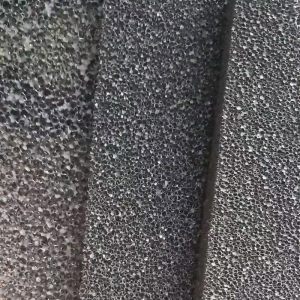
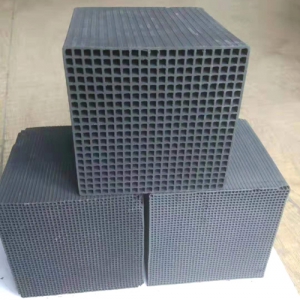
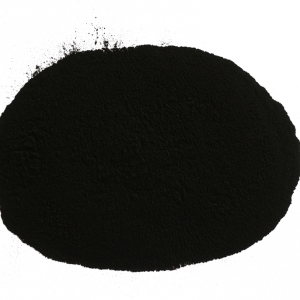
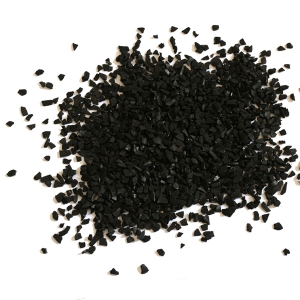
| Activated Carbon | Pretreatment (adsorption) | Iodine value ≥900 mg/g; mesh size 8‑30 or 12‑40 | Adsorbs residual chlorine, organics, and odour‑causing substances, protecting RO membranes from oxidative damage | Packed in activated carbon filter located after multimedia filter and before cartridge filter; requires regular backwashing and replacement |
| Citric Acid | Membrane cleaning | Prepare as 1‑2% aqueous solution, adjust pH to 2.5‑3.5 | Removes carbonate scale, metal oxides and inorganic colloids from membrane surface; cleaning temperature recommended 25‑35°C | Off‑line cleaning: circulate cleaning solution at low flow (1/3 normal flow) for 1‑2 hours, then soak; discard first 20% of cleaning solution to avoid re‑contamination |
| Quartz sand / gravel / garnet sand | Pretreatment (filtration) | Particle size: quartz sand 0.4‑0.6 mm / 0.8‑1.2 mm; gravel 2‑4 mm / 4‑8 mm (support layer) | Filter media for multimedia filters, effectively retaining suspended solids and particulate impurities | Packed in layers from coarse to fine (gravel at bottom, quartz sand on top) to form an ideal filtration stratification; backwash regularly |
| Filter Fibre Balls | Pretreatment (polishing filtration) | Porosity ≥90%; filtration accuracy 1‑50 μm | Replace or supplement traditional filter cartridges for fine filtration to remove micro‑suspended solids | Packed in cartridge filter located after activated carbon filter and before RO membrane; can be cleaned and reused |