+86-15093398255


Why "Custom" Is the Difference Between a Carbon Bag and a Carbon Solution
Activated carbon adsorption is one of the most studied and trusted purification technologies in the world. But here's what the research — and our production floor — keeps confirming: performance is engineered, not bought off the shelf.
1. Air purification: the carbon must match the contaminant
Recent studies show just how sensitive performance is to design choices:
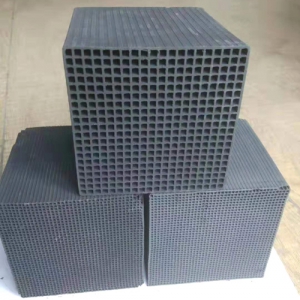
- A 2023 study in China Pulp & Paper engineered an activated-carbon filter paper with a corrugated honeycomb structure and 46.2% carbon loading — achieving 100% removal of toluene and 65.2% removal of formaldehyde from indoor air (Zhao et al., 2023).
- Research on air-purifier filter media found that a manganese-catalyst/activated-carbon composite delivered the best combined performance for formaldehyde AND benzene-series VOCs — with the carbon playing a dual role as adsorbent and catalyst support (Qiu et al., Materials Research and Application, 2019).
- Reviews on biomass-based activated carbons emphasize that pore-structure tuning and surface chemistry optimization are what determine real-world VOC capture (Sha et al., Chemical Industry and Engineering Progress, 2026).
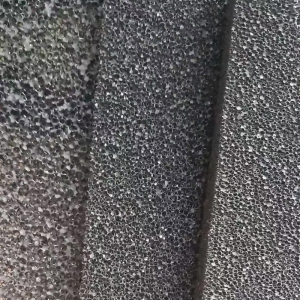
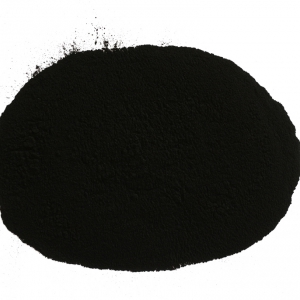
Our answer: we build the pouch around your contaminant. Formaldehyde-heavy environments get high-micropore coconut carbon; toluene/VOC streams get mesopore-dominant grades; humid climates get blended or impregnated formulations. Iodine value, CTC adsorption, mesh size, pouch weight (4g–1000g+), fabric and print — all specified by you, verified by us with batch testing.
2. Aquarium & aquaculture: clarity, toxins and water quality
The aquarium industry relies on carbon for a reason — and the literature is explicit about its power when correctly applied:
A 2025 study in Process Safety and Environmental Protection used functionalized activated carbons to catalytically purify and recycle fish-aquarium wastewater for sustainable aquaculture (Ikhlaq et al., 2025).
Researchers testing alternative filter media for conventional aquarium filters benchmarked them against standard activated carbon — the reference medium for removing ammonium, nitrite and nitrate alongside carbon's classic organics and discoloration removal (Snowdon et al., Environments, 2023).
Most striking: when lethal palytoxin contaminated a home aquarium, published analysis confirmed complete detoxification of the aquarium water by activated carbon (Tartaglione et al., Toxicon, 2016).
Our answer: aquarium-grade pouches with dust-minimized rinsed carbon, controlled fines, food-safe or aquarium-safe fabrics, and formats from small filter-media sachets to bulk pond & RAS media bags. Whether it's color and odor polishing for hobby aquariums or dissolved-organics control in commercial aquaculture, we match carbon grade to water volume and turnover rate.
3. What "custom capability + processing capacity" means in practice
Dimension | What we offer |
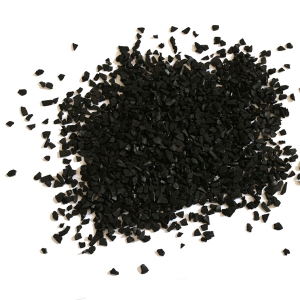
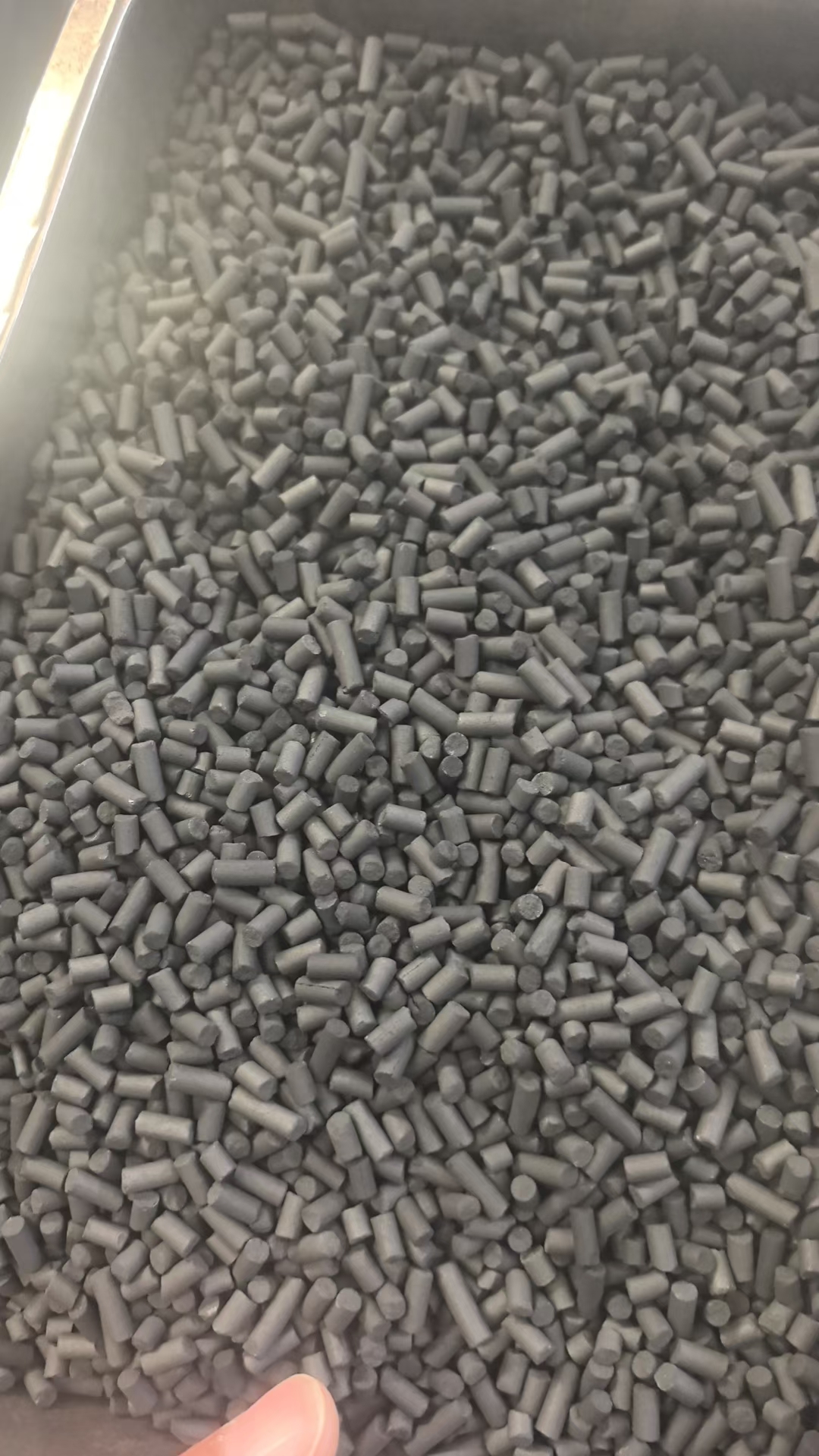
Carbon types | Coconut shell / coal-based / wood-based; pellet, granular, powder |
Specs | Iodine value 500–1100 mg/g · CTC 45–70% · mesh 4–60 · custom blends |
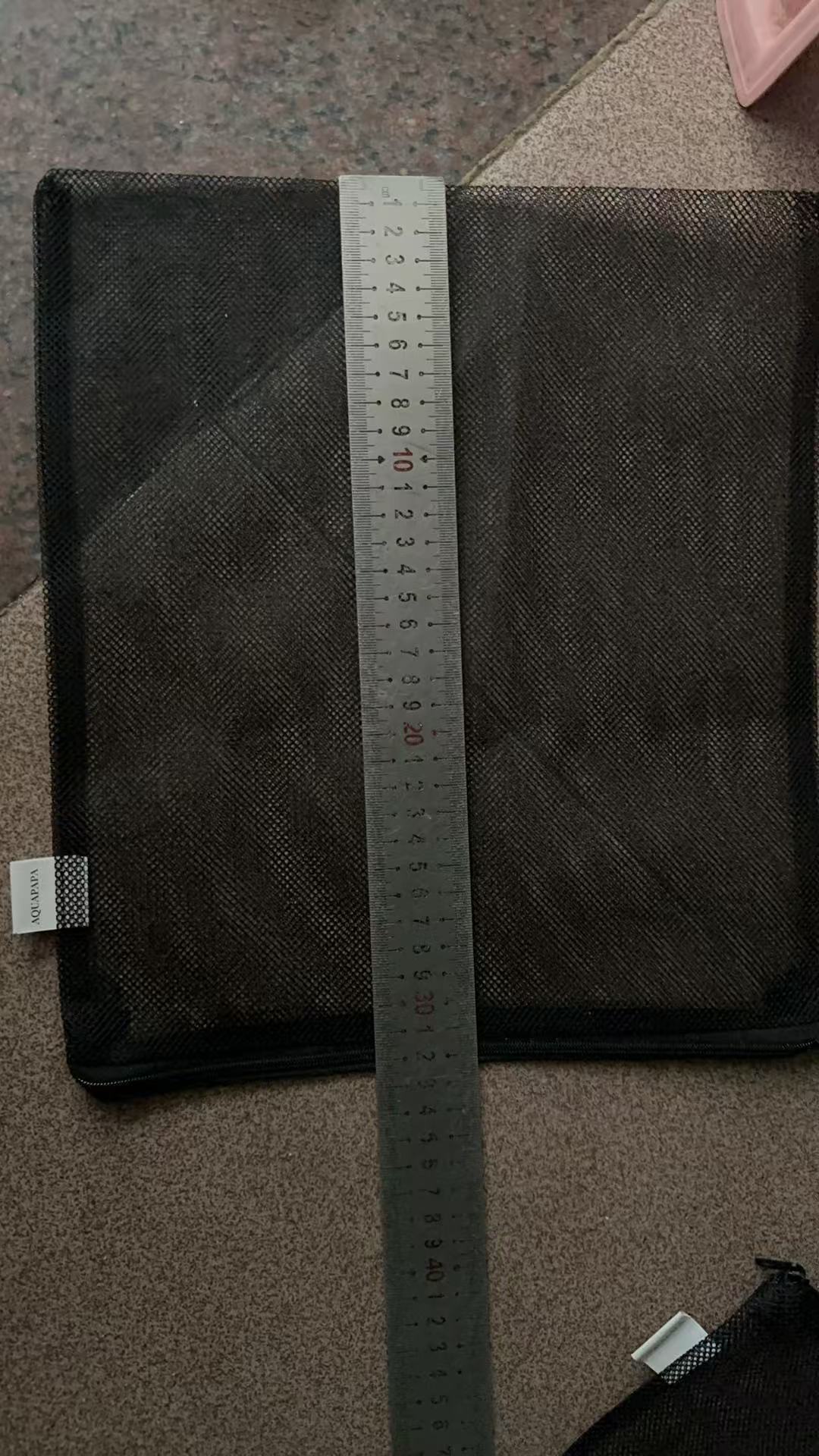
Formats | 4g–1000g+ pouches; pillow, flat, gusseted; non-woven / ACF felt |
Branding | Private-label printing, custom packaging, retail-ready |
Capacity | 【300-500 tons/month】, 【10-12-day】 standard lead time |
Quality | Batch COA (GB/T & ASTM test methods), 【ISO9001 / other certs】 |
Service | OEM/ODM, free samples, application engineering support |
Tell us your application — we'll spec the carbon.
? DM us or email 【vicky.ruijia1231@gmail.com】 for samples and a tailored datasheet.