+86-15093398255

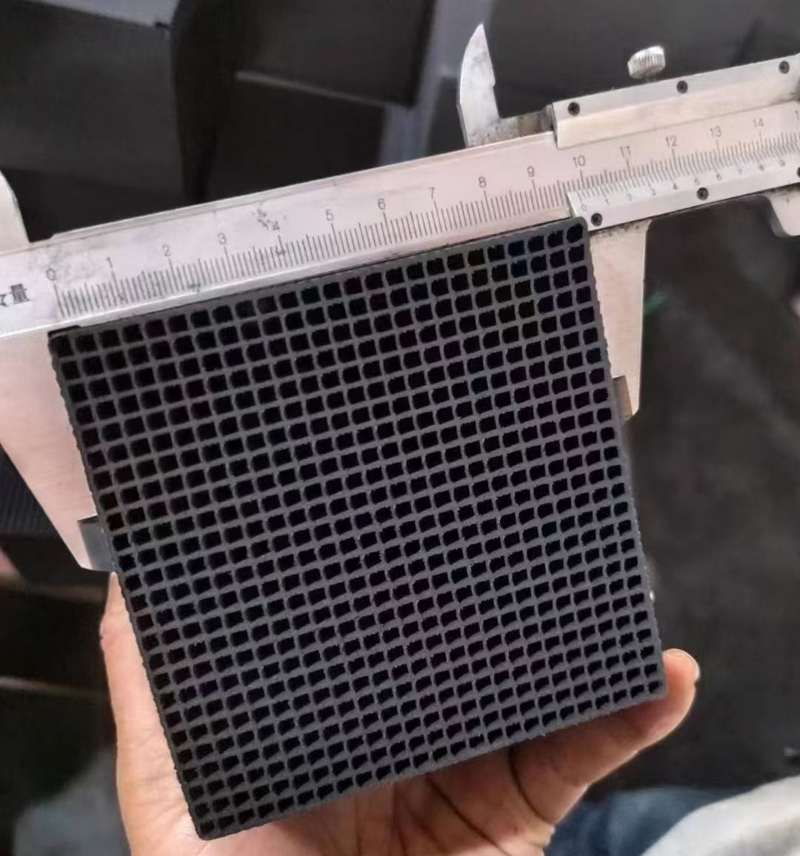
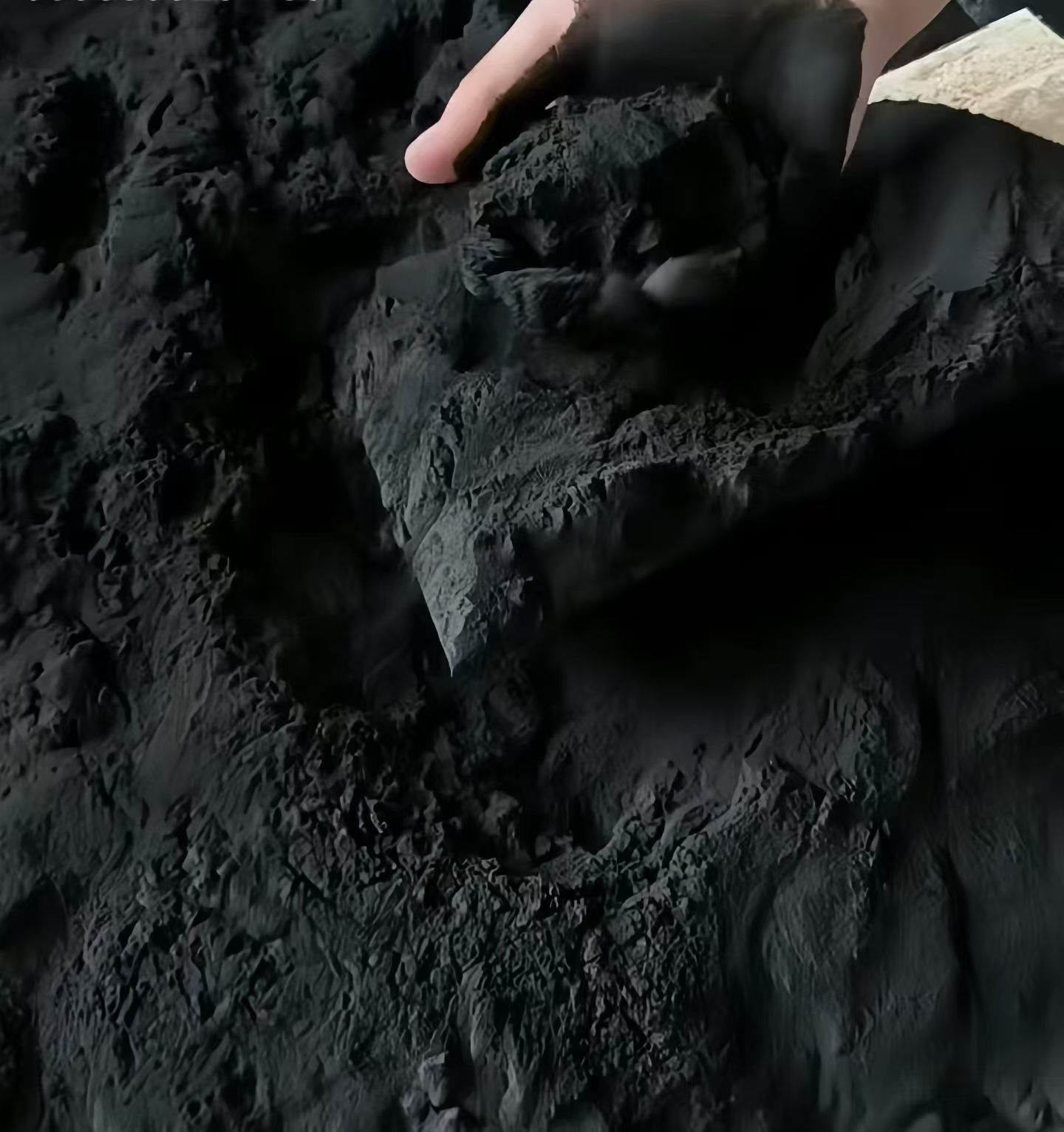
Activated carbon is used across an enormous range of industries,But
Should you use coconut shell, coal-based, or wood-based carbon? Granular activated carbon or pellets? What does 12×40 mesh mean? Is a higher iodine number always better? What is CTC activity? And how do you determine whether a particular carbon is designed for liquid-phase or vapor-phase treatment?
At RUIJIA Water Purification Materials Factory, we supply activated carbon for applications ranging from drinking water and industrial water treatment to air purification, odor control, chemical processing, remediation, and vapor filtration. One of the most important things we've learned is that there isn't one activated carbon that's best for every application.
The right carbon depends on what you're trying to adsorb, whether you're treating a liquid or gas, your equipment, required flow characteristics, contact time, and the specifications of the carbon itself.
Now we provides a starting point for understanding those variables and selecting bulk activated carbon for your application.
Quick Answer: How Do You Choose Bulk Activated Carbon?
When selecting bulk activated carbon, consider these factors first:
Selection Factor What to Determine
Application Water, wastewater, air, vapor, chemical processing, remediation, etc.
Phase Liquid-phase or vapor-phase treatment
Target contaminant What compounds are you trying to adsorb?
Raw material Coconut shell, coal, wood, or another carbon source
Carbon form Granular, pelletized, or powdered
Particle size Mesh size or pellet diameter
Adsorption properties Iodine number, CTC activity, surface area and pore structure
Physical properties Hardness, ash, moisture and apparent density
Treatment requirements Flow rate, contact time, pressure drop and carbon-bed dimensions
Quantity Individual bags, pallet quantities, super sacks or larger commercial volumes
These properties are interconnected.
A carbon with an impressive specification on paper isn't necessarily the best carbon for a particular treatment system. Activated carbon should be selected according to the contaminant, application and equipment—not a single specification.
What Is Bulk Activated Carbon?
"Bulk activated carbon" generally refers to activated carbon purchased in commercial quantities rather than small consumer packages.
Depending on the application and purchasing requirements, bulk carbon may be supplied in bags, palletized quantities, super sacks, or larger commercial shipments.
our bulk offerings allow customers to source activated carbon for industrial, municipal, commercial, environmental, manufacturing, and large-scale filtration applications.
Bulk purchasing can make sense when carbon is needed for:
Large filtration vessels
Municipal water treatment
Industrial process water
Wastewater treatment
Air purification
Industrial odor control
VOC treatment
Environmental remediation
Chemical processing
Food and beverage processing
Manufacturing processes
Replacement carbon programs
Large commercial filtration systems
The appropriate quantity depends heavily on the treatment system.
The Three Main Forms of Activated Carbon
One of the first decisions when purchasing carbon is its physical form.
The three major categories are granular activated carbon (GAC), pelletized activated carbon, and powdered activated carbon (PAC).
Granular Activated Carbon — GAC
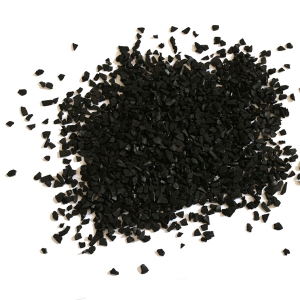
Granular activated carbon consists of irregular carbon particles larger than powdered carbon.
Common mesh sizes include:
4×8
6×12
8×16
8×30
12×40
GAC is widely used in fixed-bed treatment systems where water or another fluid passes through a bed of carbon.
Applications can include:
Drinking water
Municipal water treatment
Industrial process water
Wastewater
Groundwater remediation
Food and beverage processing
Chemical processing
Aquarium filtration
Distillation-related filtration
Certain granular carbons are also used for vapor-phase applications.
Advantages of GAC
Granular carbon can provide a useful balance between adsorption performance, hydraulic characteristics, contact time, and pressure drop.
Particle size becomes particularly important when designing or operating a GAC bed.
Pelletized Activated Carbon
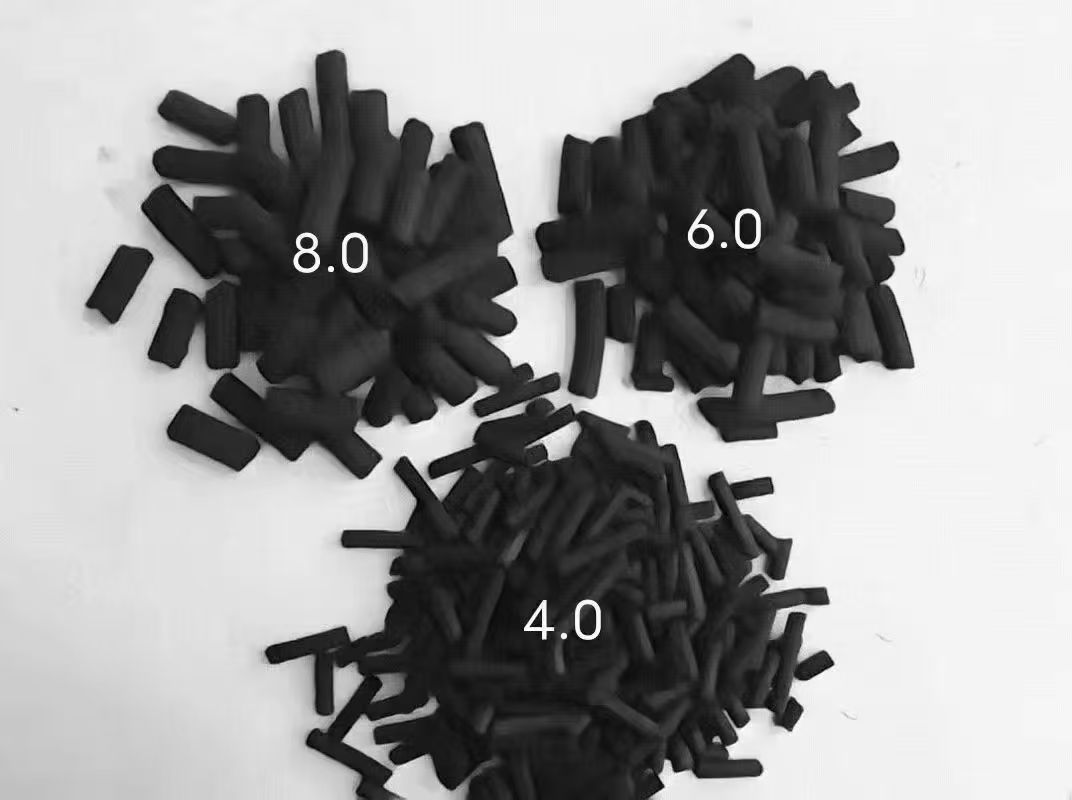
Pelletized activated carbon is manufactured in cylindrical extruded shapes.
Common pellet diameters include:
3 mm
4 mm
Pellets are particularly common in air and vapor-phase treatment systems.
Potential applications include:
Industrial air purification
VOC adsorption
Odor control
Vapor recovery
Kitchen ventilation
Fuel vapor systems
Manufacturing exhaust
Specialty air-treatment systems
The uniform shape of pellets can provide desirable airflow characteristics and relatively low pressure drop within properly designed beds.
Pellets can also provide good mechanical strength, which helps reduce attrition and the generation of fines.
Powdered Activated Carbon — PAC
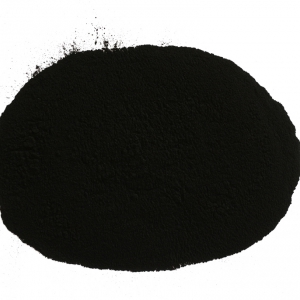
Powdered activated carbon consists of much smaller carbon particles than GAC.
Instead of remaining permanently inside a traditional fixed bed, PAC is frequently dosed directly into a treatment process and subsequently separated.
Applications can include:
Municipal water treatment
Wastewater treatment
Emergency contaminant treatment
Industrial processing
Chemical processing
Soil and environmental applications
Food and beverage processing
Because PAC has a very small particle size, it behaves differently from granular or pelletized media and requires an appropriate dosing and separation system.
Coconut vs. Coal vs. Wood: Quick Comparison
Property | Coconut Shell | Coal | Wood |
Typical pore tendency | More microporous | Broader pore distribution | More meso/macroporous |
Hardness | Generally high | Generally good | Depends on form |
Common forms | GAC, PAC, pellets | GAC, pellets, PAC | Often PAC |
Drinking water | Excellent option | Common | Application dependent |
Vapor treatment | Common | Common | Less typical |
Large-molecule adsorption | Application dependent | Good range | Often advantageous |
Decolorization | Application dependent | Application dependent | Common |
Industrial use | Extensive | Extensive | Extensive |
These are general characteristics—not absolute rules.
Individual product specifications should always be evaluated.
How Much Activated Carbon Do You Need?
Carbon quantity depends on the system rather than a universal pounds-per-gallon or pounds-per-CFM rule.
For a fixed-bed system, important variables include:
Vessel dimensions
Bed depth
Carbon density
Flow rate
Empty bed contact time
Target contaminant
Influent concentration
Desired effluent concentration
Expected service life
For water systems, Empty Bed Contact Time (EBCT) is particularly important.
EBCT describes the theoretical amount of time the water spends within the volume occupied by the carbon bed.
A longer contact time can improve adsorption opportunities, although system design must consider the complete treatment objective.
Bulk Activated Carbon Selection Chart
Application | Carbon Types Commonly Considered | Typical Form |
Drinking water | Coconut shell, coal, catalytic carbon | GAC |
Municipal water | Coconut shell, coal, PAC | GAC / PAC |
Industrial process water | Coconut shell, coal | GAC |
Wastewater | Coal, coconut, PAC | GAC / PAC |
PFAS treatment | Application-specific GAC | GAC |
VOC treatment | Coconut shell or coal | GAC / Pellets |
Odor control | Coal or coconut | Pellets / GAC |
H₂S treatment | Specialty/impregnated or catalytic carbon | Pellets / GAC |
Chemical processing | Application dependent | GAC / PAC |
Decolorization | Often wood or specialty carbon | PAC |
Air purification | Coconut shell or coal | Pellets / GAC |
Vapor recovery | High-activity vapor carbon | GAC / Pellets |