
+86-15093398255
Sand filtration + activated carbon + resin softening + reverse osmosis
is a classic and highly efficient whole-house water purification or industrial pure water preparation process.
Phase 1: Pretreatment
Purpose: To remove large particulate impurities, residual chlorine, and hardness, protecting the expensive reverse osmosis (RO) membrane from clogging or oxidation.
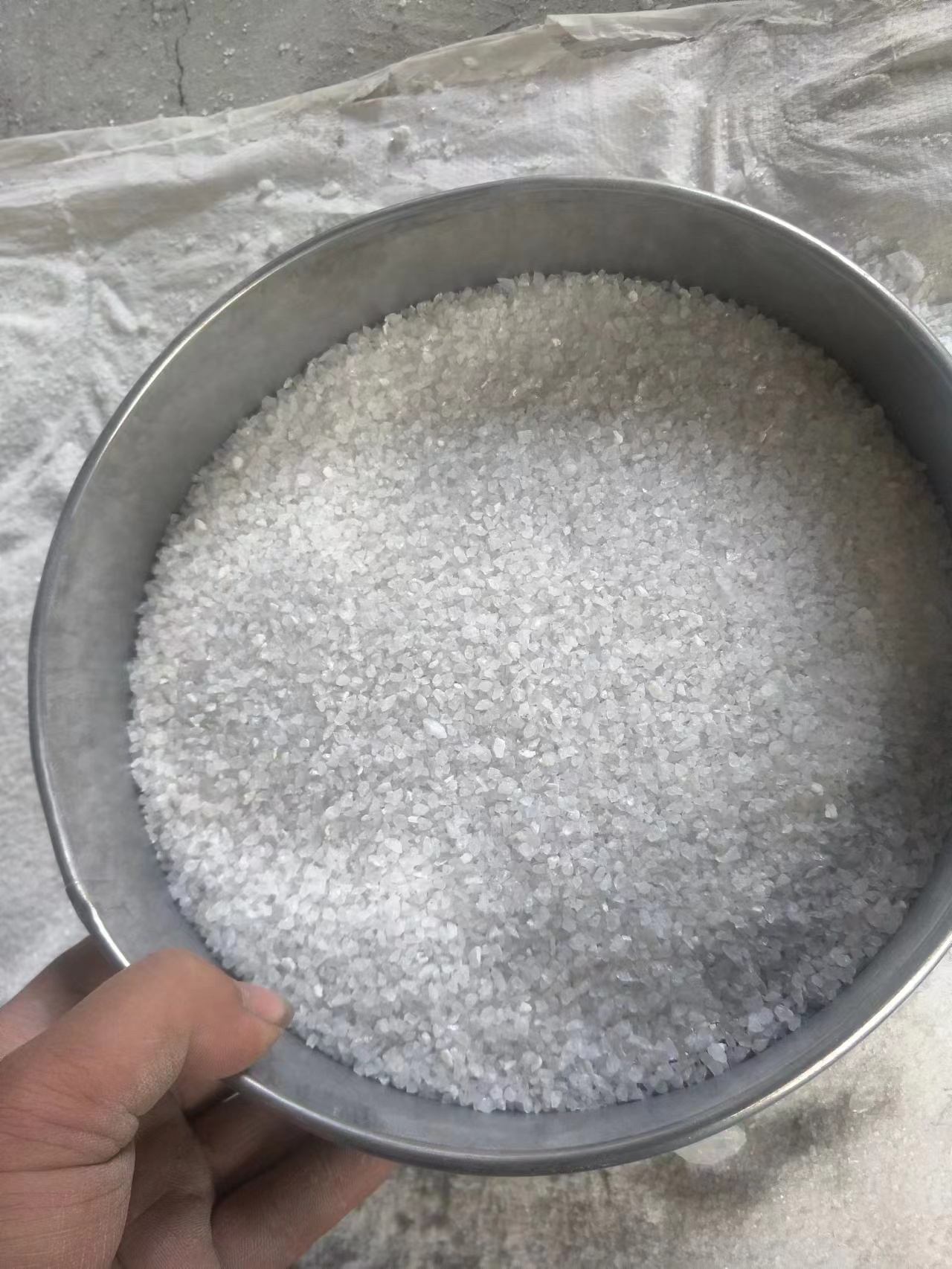
1. Sand Filter Tank (Quartz Sand Filter)
Filter Material: Quartz sand of varying particle sizes (usually coarser at the bottom and finer at the top).
Water Purification Process:
Mechanical Interception: As water flows downwards through the sand layer, large particulate impurities such as silt, rust, and suspended solids are trapped in the gaps between the sand particles.
Function: Reduces water turbidity. Without this step, the subsequent activated carbon and RO membrane will quickly become physically clogged, leading to frequent cleaning.
Supplement: Some systems add "manganese sand" after this step, specifically for iron and manganese removal.
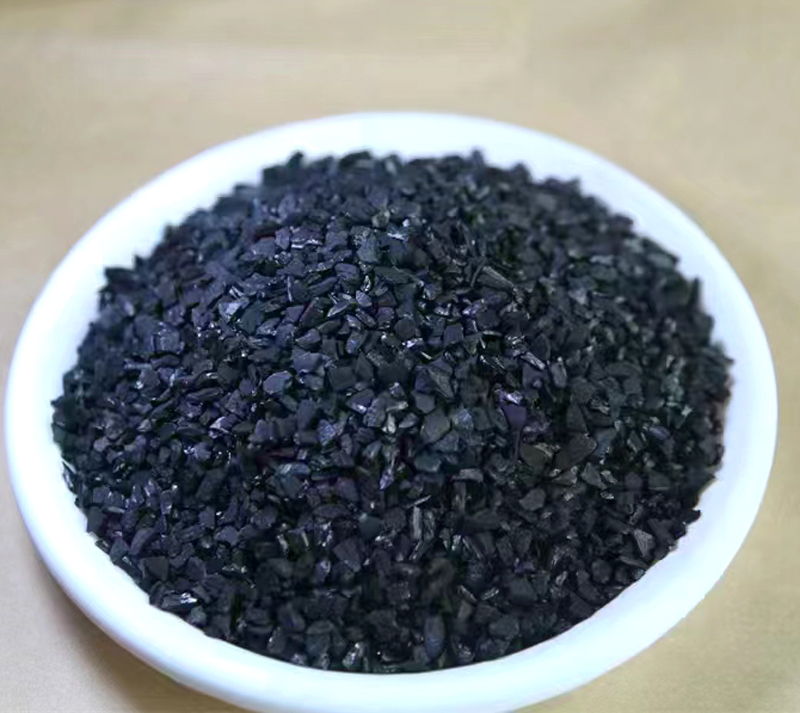
2. Activated Carbon Filter Canister
Filter Material: Coconut shell/coal-based granular activated carbon or compressed activated carbon rods.
Water Purification Process:
Adsorption (Main Function): Utilizing the large specific surface area of activated carbon, it adsorbs residual chlorine (a necessary disinfectant in municipal tap water, but a strong oxidant to RO membranes), discoloration, odors (such as bleach smell), and some organic matter in the water.
Protecting the RO Membrane: Chlorine oxidizes and corrodes the RO membrane (polyamide material), causing membrane perforation and failure. Activated carbon must completely remove residual chlorine before proceeding to the next stage.
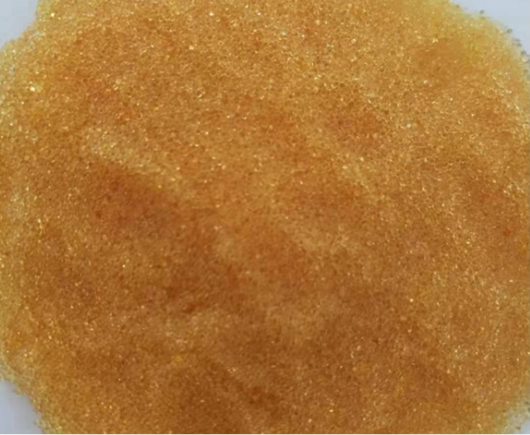
3. Resin Filter Tank (Softener)
Filter Material: Sodium-type cation exchange resin.
Water Purification Process:
Ion Exchange: The main hardening substances in water are calcium and magnesium ions. When water flows through the resin, the sodium ions on the resin undergo a displacement reaction with the calcium and magnesium ions in the water.
Result: Calcium and magnesium ions in the water are adsorbed onto the resin, while sodium ions are released into the water. The water is softened (becomes "soft water").
Importance: If hard water enters the RO membrane directly, after water molecules pass through the membrane, calcium and magnesium ions will be concentrated on the membrane surface, forming scale (calcium carbonate), clogging the membrane pores, leading to a decrease in water production and membrane failure.
Phase 2: Core Desalination
Purpose: To remove the vast majority of impurities dissolved in the water (heavy metals, bacteria, viruses, salts).
4. Reverse Osmosis Water Purification System (RO Membrane)
Filter Material: Polyamide composite membrane (spiral spiral wound membrane element).
Water Purification Process:
Pressurized Separation: Water pretreated in the first three steps is pressurized and sent to the RO membrane housing by a booster pump. The RO membrane has extremely small pores (approximately 0.0001 micrometers, equivalent to one millionth the thickness of a human hair).
Separate Output:
Pure Water (Product Water): Water molecules are forced through the RO membrane under pressure and flow out through the central pipe. Heavy metals (lead, mercury, arsenic), bacteria, viruses, pesticide residues, and dissolved salts (TDS, total dissolved solids) cannot pass through.
Concentrated Water (Wastewater): The high concentration of salts and impurities that are trapped are flushed off the membrane surface by the water flow and discharged (this is why RO machines discharge wastewater).
Result: The water produced at this point is theoretically pure water, and the desalination rate can usually reach 97%-99%.
Stage 3: Post-treatment
Purpose: To improve taste or adjust water quality for specific needs.
5. Post-filtration (small filter cartridge)
Filter material: Post-activated carbon (usually a T33 small T-type filter cartridge).
Water purification process:
If the RO water tank has a rubber liner, water stored for a long time may develop a slight odor.
The water finally passes through a post-activated carbon filter, which uses its adsorption capacity to remove any potential odors and adds a slight "sweetness" or crispness to the purified water (improving taste).