+86-15093398255
The working principle of a reverse osmosis membrane is based on pressure-driven semi-permeable membrane separation technology. When raw water passes through the membrane surface, dissolved salts, heavy metal ions, and microorganisms accumulate on the membrane surface due to the concentration effect. Taking calcium carbonate as an example, when the concentration product exceeds the solubility product constant, calcite crystals will form and adhere to the membrane pores, leading to a 15%-30% decrease in flux. Reverse osmosis membrane antiscalants, through lattice distortion, cause dislocations during crystal formation, generating amorphous particles that are discharged with the concentrate, effectively inhibiting scaling and improving membrane flux.
Experimental data shows that adding antiscalant can extend the cleaning cycle from 3-6 months to 12-18 months, reducing the overall equipment maintenance cost by approximately 40%. Simultaneously, the dispersant component in the reverse osmosis membrane antiscalant prevents the deposition of colloidal particles such as iron and aluminum on the membrane surface, avoiding the formation of a complex scale layer.
For water sources with high silicate content, scale inhibitors can suppress the formation of silica gel; for water bodies containing sulfate, they can prevent the precipitation of calcium sulfate crystals. Scale inhibitors also have pH buffering capabilities, remaining stable in acidic environments to ensure the continuous action of the agent on the membrane surface.
Regarding environmental adaptability, the formulation of reverse osmosis membrane scale inhibitors needs to be dynamically adjusted according to the feed water quality. For example, The borehole water (groundwater) in some parts of Senegal is characterized by high mineralization and weak alkalinity. This means that the concentration of scale-forming ions such as calcium and magnesium is high, and under the concentration effect of the reverse osmosis membrane, calcium carbonate (CaCO₃) scale is easily formed. Therefore, the selected scale inhibitor must have a strong ability to inhibit calcium carbonate scale formation.
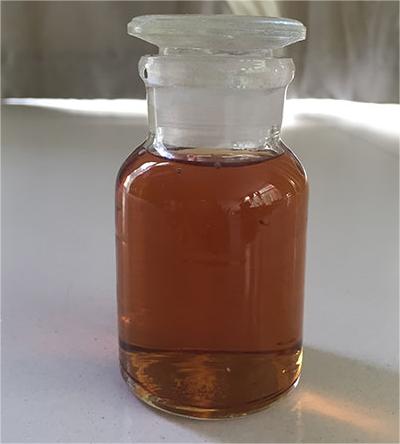
For the aforementioned water quality, we selected the best quality scale hibitor, specifically designed for treating demanding water conditions with high calcium, magnesium, sulfate, and silica content. Its outstanding performance makes it the optimal choice for addressing the complex water conditions in Senegal.
- Calcium tolerance: 40,000 mg/L (25℃, pH=8.0)
- Sulfate tolerance: >10,000 mg/L
- Silica tolerance: 400 mg/L SiO₂
- Recommended dosage: 3-8 mg/L
For calcium deposit removal, the core quantitative indicator is "calcium tolerance." The Scale inhibitor's 40,000 mg/L calcium tolerance means it remains stable and scale-free even at extremely high calcium ion concentrations, providing direct evidence of its superior performance.